
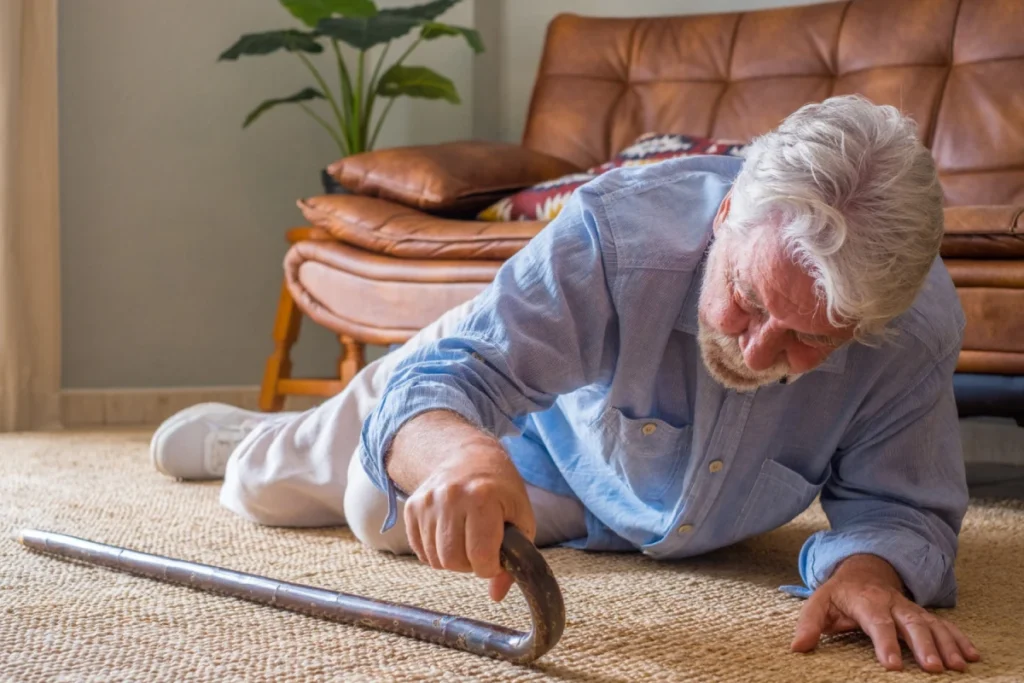
Practical Home Modifications to Keep Seniors Safe
Why Fall Prevention Matters for Seniors
Helping older loved ones age safely and confidently in their own homes is the heartfelt mission behind Home Care Connect. While we connect families with trusted caregivers, part of our commitment lies in empowering seniors to thrive at home, starting with smart, safe home modifications that reduce risk and increase independence.
Statistics on senior falls
Falls are a leading hazard for seniors; more than 25% of adults aged 65 and older fall each year, and experiencing one fall doubles the risk of another. In 2023 alone, over 40,000 older Americans lost their lives due to falls. Hospital and emergency costs related to fall injuries are staggering and projected to reach over $101 billion by 2030.
Health risks and consequences of falls
Importance of proactive prevention
Proactively fall‑proofing the home through home modifications to prevent falls is a powerful way to preserve quality of life. With simple, thoughtful changes, seniors can remain independent and safe in the comfort of their homes.
Common Hazards in the Home
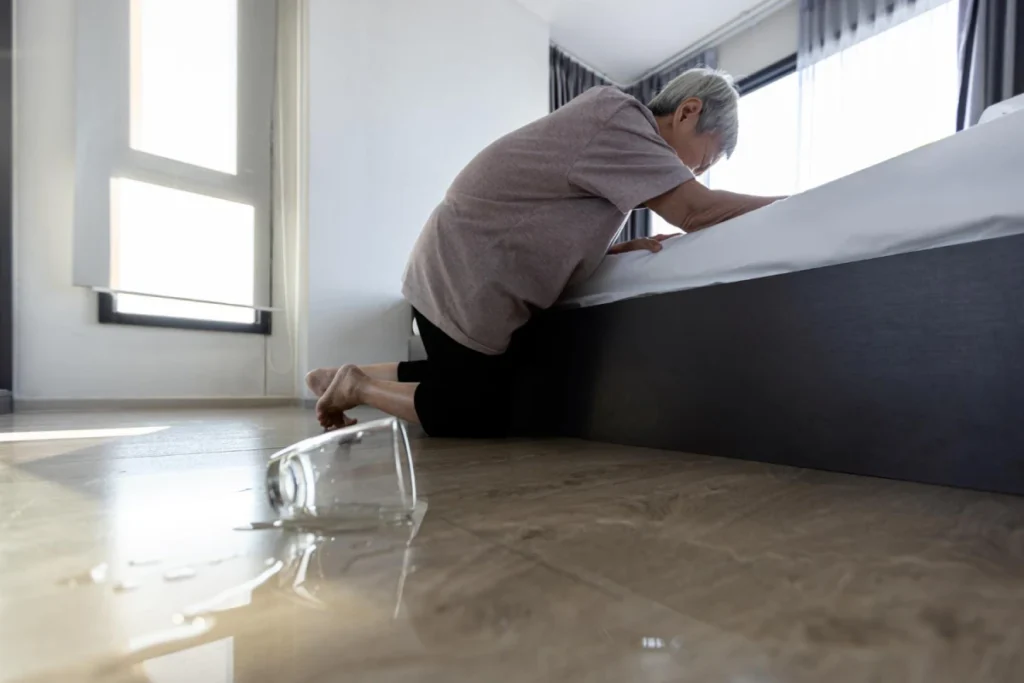
Slippery floors and loose rugs
Poor lighting in key areas
Clutter and unsafe furniture placement
Essential Home Modifications for Safety
Installing grab bars and railings
Non‑slip flooring and mats
Improving bathroom safety
Consider curbless walk-in showers, shower seats, raised toilets, and handheld showerheads. These adjustments minimize bending, reaching, and hazardous steps.
Technology for Fall Prevention
Motion‑sensor lights
Medical alert systems
Smart home devices for seniors
Low‑Cost Safety Tips and Quick Fixes
Removing clutter and tripping hazards
Reorganizing frequently used items
Easy DIY safety improvements
Creating a Fall‑Free Home
By addressing common hazards, making strategic safe home modifications, and leveraging technology, you’re not just preventing falls; you’re protecting independence, confidence, and peace of mind. Even small changes can make a meaningful difference.
Key takeaways to remember:
- Identify and eliminate slip or trip risks (e.g., rugs, cords, low lighting)
- Add grab bars, railings, and non-slip surfaces where needed
- Use motion-sensor lights and alert systems for added safety
- Start with low-cost changes and scale up as needed
At Home Care Connect, we believe “home” should feel both safe and freeing. Whether through care coordination or guidance on preventing falls in elderly spaces, we’re here to support seniors and their families every step of the way.
Frequently Asked Questions (FAQs)
What’s the most important home modification to prevent falls?
Can technology help prevent falls?
How costly are senior‑friendly home modifications?
Are fall risks only in bathrooms and stairs?
When should I involve a professional in planning home changes?
If mobility or balance issues are severe, or if you’re unsure about structural changes, consulting a Certified Aging-in-Place Specialist (CAPS) or an occupational therapist can offer tailored and effective solutions.